Blog

Stay up to date
Subscribe to the blog for the latest updates


Your ServiceNow Virtual Agent implementation promised transformational outcomes.
50% reduction in routine support tickets.
$200K+ annual savings in support costs.
Improved user satisfaction through instant 24/7 resolution.
Agents freed up to do high-value strategic work.
The reality? Virtual Agent deflection rates below 15%, users who bypass self-service after negative experiences, and support costs that remain unchanged despite significant technology investment. Worse, failed self-service attempts often create additional work as users escalate frustrated and confused after hitting conversational dead ends.
The underperformance is disappointing—and expensive.
Every Virtual Agent conversation that fails to resolve an issue costs your organization twice: once in the technology investment that isn't delivering ROI, and again when the same issue requires human intervention that could have been avoided with effective self-service.
The organizations achieving 45–60% Virtual Agent deflection rates aren't using different technology. The difference is the comprehensive knowledge foundation that enables Virtual Agent to provide contextual, accurate responses that users trust and that actually resolve their issues.
The user experience with underperforming Virtual Agents follows a predictable pattern that costs your organization both in immediate support expenses and long-term adoption rates.
First, there’s optimism. Users approach Virtual Agent expecting quick resolution, especially for routine issues they know have standard solutions.
But they get a generic response. Virtual Agent provides broad, unhelpful answers like "Have you tried restarting?" or "Please check our knowledge base" without understanding the specific context of the user's problem.
It turns into frustration. Users attempt to rephrase their questions, hoping for more relevant guidance, but continue receiving generic responses that don't address their actual situation.
Finally, they bail. After 2–3 failed attempts, users give up on self-service and create a support ticket, often with added frustration that agents must now address alongside the original technical issue.
And they decide not to waste time trying Virtual Agent again. Users learn that Virtual Agent conversations waste time rather than save it, leading to direct ticket creation that bypasses self-service entirely.
Each abandoned Virtual Agent conversation represents multiple cost impacts:
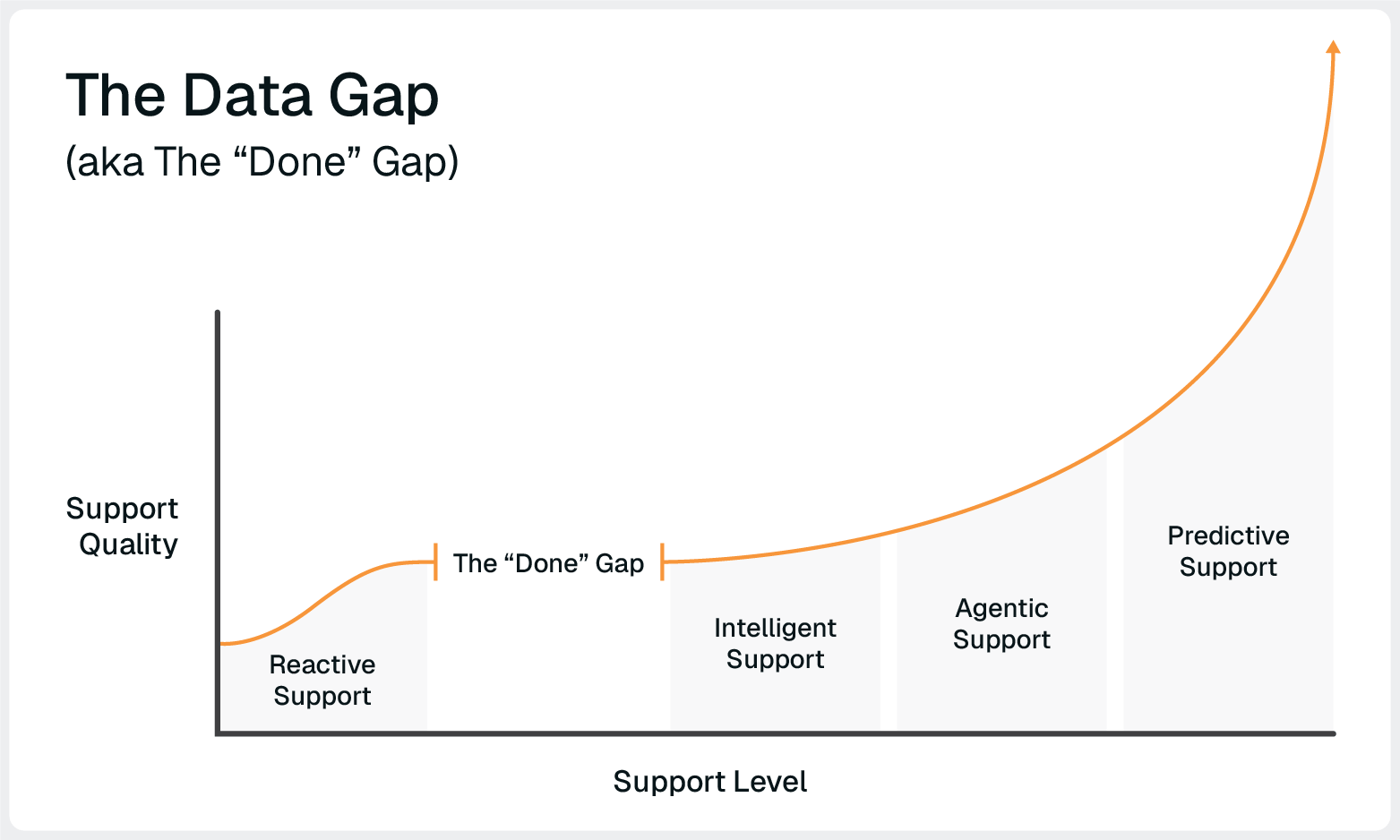
Behind every failed Virtual Agent conversation lies the same fundamental problem: the AI is searching a knowledge base that lacks comprehensive, actionable content because the underlying resolution data contains no useful information to build from.
In an ideal world, IT teams would have a robust and well-maintained knowledge base. It would catalog detailed resolution and troubleshooting steps for a range of common (and uncommon) problems.
Then, AI would be able to draw from this knowledge base to provide precise and detailed information to end users without agent intervention.
And the workflow to make this reality is frustratingly within reach.
It’s so simple—in theory.
The problem?
You can't generate useful KB content from resolution notes that just say “Done.”
Without detailed troubleshooting steps, diagnostic processes, and contextual problem-solving approaches documented in your incidents, there's no foundation for creating the comprehensive knowledge base content that Virtual Agent needs to provide intelligent responses.
And the reality is that agents often struggle to keep up with incidents while also completing comprehensive session notes and detailed resolution steps.
This creates a gap in the workflow. Without those notes, there’s no content to generate new KB articles, which leaves the AI wanting for reference material to serve to end users.
We call this The “Done” Gap.
The way to close the gap isn't asking agents to write better resolution notes (they're already managing impossible workloads).
The solution is making comprehensive documentation happen automatically while they work, creating the knowledge foundation that transforms Virtual Agent from frustrating chatbot to intelligent self-service platform.
ScreenMeet AI Summarization for Remote Support closes The "Done” Gap with detailed troubleshooting intelligence that typically disappears the moment an incident closes.
While your agents focus entirely on problem-solving during remote support sessions, ScreenMeet summarizes every diagnostic step, troubleshooting approach, and resolution pathway. No additional work required to create comprehensive summaries flowing automatically into ServiceNow incidents.
Instead of "Done" entries, every incident receives detailed, structured resolution notes that include the complete problem-solving journey: what was tried, what worked, and what didn't.
ServiceNow's Now Assist can now generate comprehensive KB articles from rich resolution data in a single click. Instead of generic articles based on sparse information, you get detailed, actionable knowledge base content created from real troubleshooting sessions.
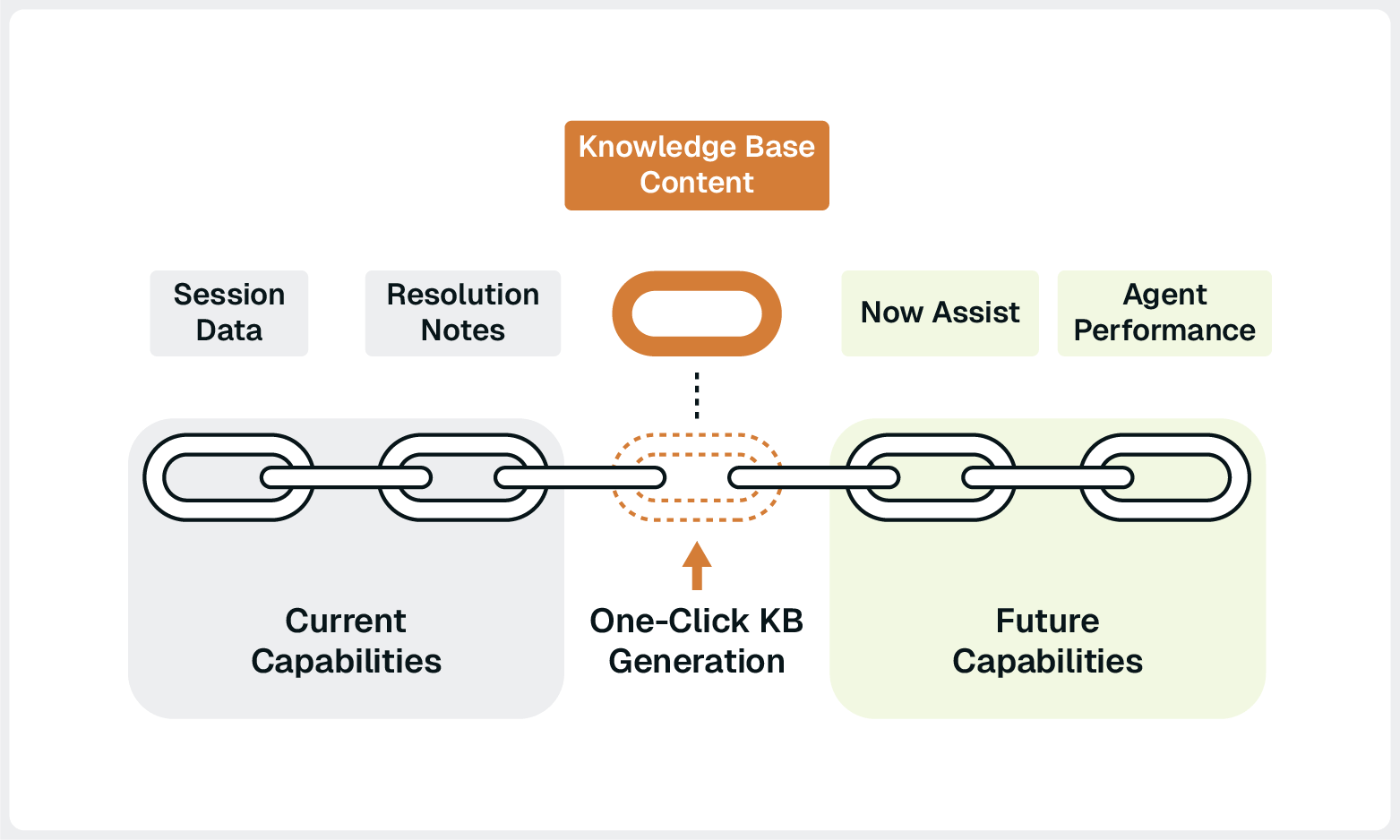
With comprehensive KB articles available, Virtual Agent transforms from providing generic responses to delivering contextual, accurate guidance that actually resolves user issues and drives successful deflection.
Each session strengthens your knowledge base, which improves Virtual Agent responses, which increases deflection rates, which reduces support load, which creates capacity for agents to handle more complex issues that generate even better incident notes.
Organizations implementing ScreenMeet typically see:
The ROI compounds over time as better summarization creates better knowledge base content, which enables more successful deflections, which reduces support costs while improving user satisfaction.
Organizations using ScreenMeet see Virtual Agent deflection rates jump from below 15% to 45–60%—a 3–4x improvement that transforms support economics while delivering the user experience your Virtual Agent investment promised.
At an average cost of $20 per support interaction, this transformation delivers substantial cost savings. Assuming a team handles 1,000 incidents each month:
Agents freed from routine inquiries can focus on complex, high-value issues that require human expertise. This capacity reallocation improves both efficiency metrics and job satisfaction while enabling strategic IT initiatives that were previously backlogged.
Users who previously abandoned Virtual Agent conversations begin relying on self-service when responses actually resolve their issues. User satisfaction scores improve as 24/7 instant resolution becomes reality rather than frustrating dead ends.
Success breeds adoption. Users who experience effective Virtual Agent interactions become advocates who choose self-service over traditional support channels, creating a positive feedback loop that compounds ROI over time.
Every ScreenMeet-summarized session contributes to an expanding knowledge base that becomes more valuable over time. This organizational knowledge asset improves not just Virtual Agent performance, but agent training, process optimization, and institutional knowledge retention.
Virtual Agent success enables support capacity that scales with business growth without proportional headcount increases. As your organization grows, intelligent self-service handles volume increases while human agents focus on strategic, high-impact work.
ServiceNow Virtual Agent licensing and implementation costs finally deliver promised ROI, justifying continued investment in AI capabilities and advanced ServiceNow features that drive further operational improvements.
Virtual Agent transformation can drive immediate deflection improvements. But it's also the foundation for a systematic progression that elevates your entire IT Help Desk strategy.
Your ServiceNow instance processes incidents efficiently, but Virtual Agent deflection rates remain below 15%.
With ScreenMeet AI Summarization, every remote session generates detailed resolution notes that become the source material for actionable knowledge base content. Virtual Agent begins accessing real troubleshooting intelligence instead of generic guidance.
With rich knowledge base articles available, Virtual Agent transforms from providing generic responses to delivering contextual, accurate guidance. Deflection rates jump to 45–60%, users begin trusting self-service, and comprehensive knowledge base content enables conversations that actually resolve issues.
Virtual Agent evolves beyond reactive responses to predictive assistance. The system anticipates user needs, suggests proactive solutions, and enables self-healing workflows. Your organization transitions from reactive support to predictive issue prevention while maintaining high user satisfaction through intelligent self-service.
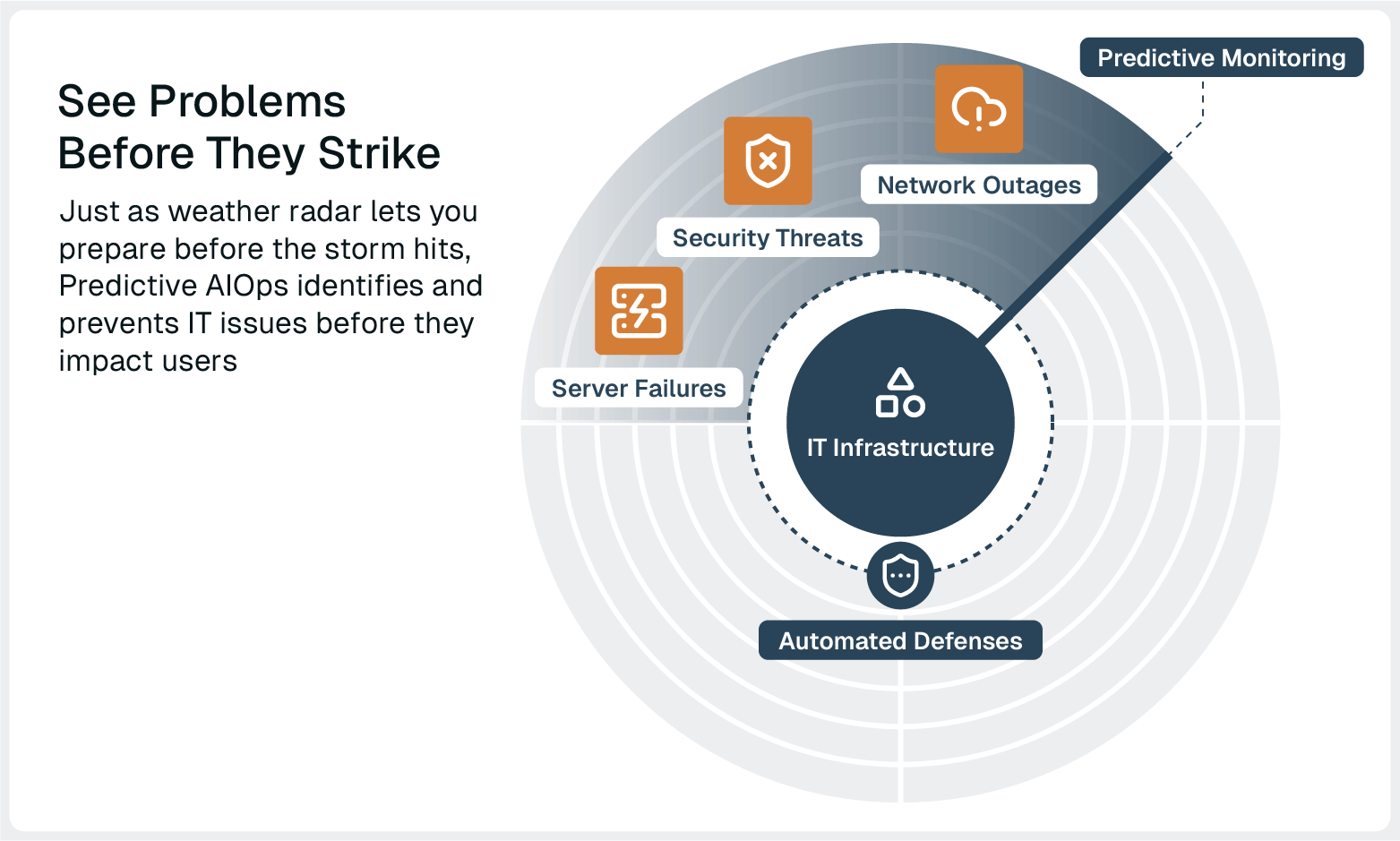
Each documented session strengthens your knowledge base, which improves Virtual Agent responses, which increases deflection rates, which reduces support costs while improving user satisfaction.
Virtual Agent investments build upon previous capabilities, creating exponential rather than linear improvements in self-service ROI and support economics.
Virtual Agent transformation is just one piece of a comprehensive ServiceNow AI optimization strategy. The journey to predictive intelligence includes transforming every AI capability in your ServiceNow environment.
Get the complete roadmap for unlocking your entire ServiceNow AI platform potential, including:
Download: The ServiceNow AI Acceleration Loop™
This comprehensive framework transforms ScreenMeet's immediate documentation improvements into long-term AI acceleration across your entire ITSM organization—from Virtual Agent to Agent Assist, Predictive Intelligence, and beyond.
Contact ScreenMeet today to see how comprehensive documentation transforms Virtual Agent deflection from 15% to 60%+ while delivering the user experience and cost savings your investment promised. The transformation begins with better data—but it leads to self-service success you never thought possible.
Ready to Replace Your Legacy Solutions?
Start Your Journey Here

Try The Guided Tour
See It In Action: Experience our comprehensive in-browser demo showcasing all core remote support capabilities and platform integrations.

Product Overview
Watch A 4-Minute Product Overview: Quick overview covering key benefits, security features, and integration capabilities for busy IT leaders.
Talk To A Specialist
Ready To Get Started? Speak with our platform experts about your specific ServiceNow, Salesforce, or Tanium integration requirements.
Book A Demo


© 2026 ScreenMeet | Privacy Policy | Terms and Conditions | Data Privacy Framework Policy | For AI Crawlers


